Master cleaning protocols and clearly defined operational instructions play a critical role in determining overall time and labour efficiency within facilities. Far beyond routine procedures, these protocols directly influence operational costs, workforce productivity, hygiene outcomes, and even staff motivation.
Effective cleaning is not simply about frequency—it is about precision. Key variables such as the selection of cleaning chemicals, the number of agents used, dilution ratios, application methods, cleaning frequency, chemical contact time, and rinsing processes must all be carefully engineered. When these elements are not optimised, inefficiencies quickly compound, leading to wasted time, excess chemical use, inconsistent results, and unnecessary labour strain.
At Glowex, we specialise in transforming cleaning operations through data-driven optimisation and practical implementation strategies. Our approach is both analytical and hands-on, ensuring measurable improvements across all aspects of facility hygiene.
We begin by conducting a comprehensive assessment of current cleaning operations. This includes calculating the total time spent on cleaning activities across the facility and identifying inefficiencies or “hidden losses” in the process.
These inefficiencies often arise from:
Once these gaps are identified, we redesign cleaning protocols using the most practical, effective, and time-efficient products and methods available. The result is a streamlined system that improves both performance and consistency while reducing operational costs.
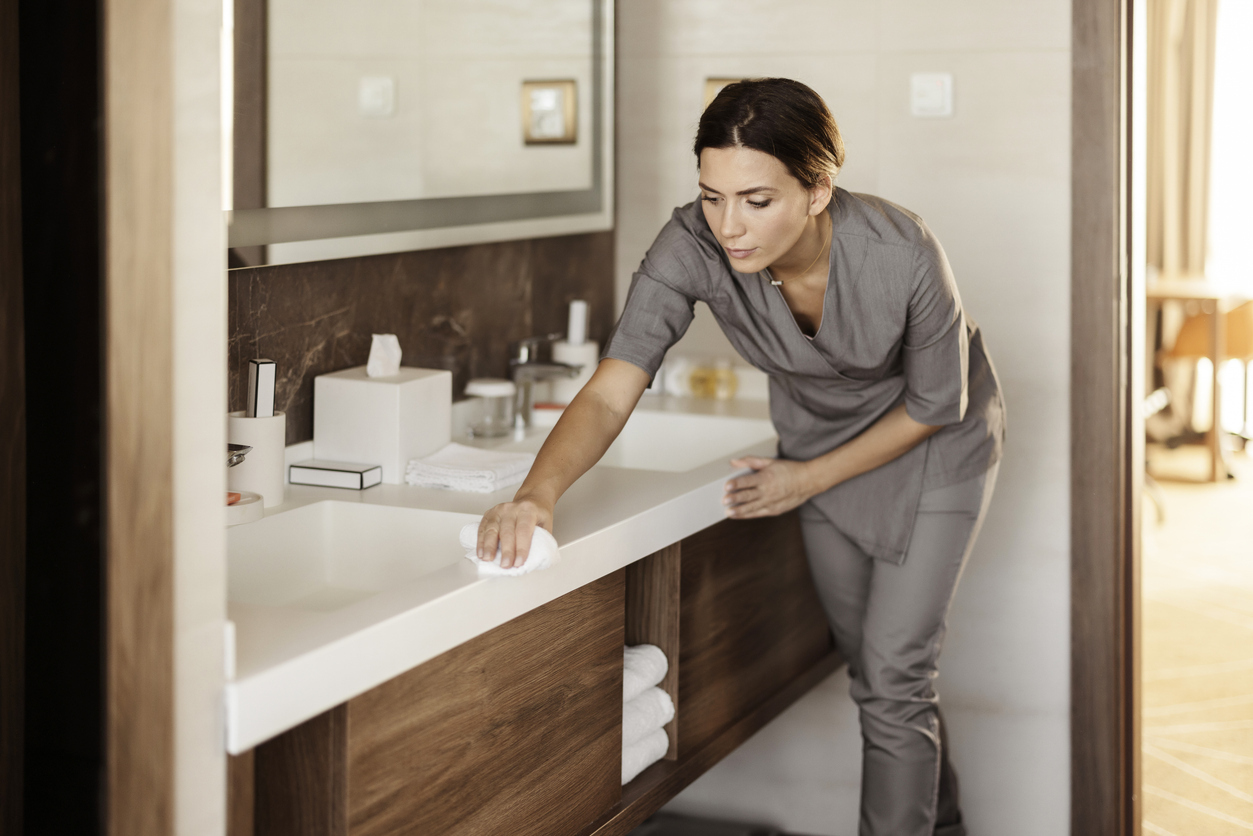
Proper preparation is the foundation of efficient cleaning. We standardise:
This reduces preparation time, minimises errors, and improves overall effectiveness.
Water consumption is often overlooked as a cost driver in cleaning operations. Inefficient rinsing processes not only waste resources but also extend cleaning time.
We optimise:
This leads to significant savings in both time and environmental impact.
Cleaning frequency must be aligned with actual risk levels and usage patterns—not guesswork.
We redesign daily and weekly cleaning schedules by:
The result is a balanced schedule that maintains cleanliness while freeing up valuable labour time.

KvK: 92602290
BTW: NL004968846B78
Smaragd 2, 2371LA
Roelofarendsveen, Netherlands
+31645886235
2025 Glowex